What are the different ways to fulfill orders on Amazon, and what should you pay attention to when doing so?
Sellers on the Amazon platform, especially small and medium-sized sellers, generally believe that they must use the FBA (Fulfilled by Amazon) shipping channel. Amazon's various policies also guide sellers to use FBA, because this is the only way to maximize the platform's profits.
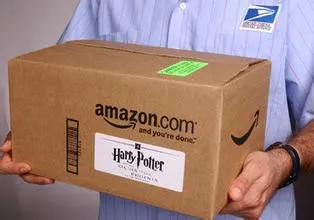
The advantages of FBA fulfillment are self-evident, but it also presents the challenge of constantly accumulating inventory, leading to immense operational pressure on sellers. In fact, self-fulfillment teams have been found in some medium to large seller accounts, and the platform has always allowed sellers to fulfill their own orders. For successful self-fulfillment, logistics is key.
Order tracking effectiveness rate refers to the percentage of orders for which sellers can provide valid tracking codes and whose tracking information can be found on the Amazon website within a statistical period, out of all self-fulfilled orders during the same period. This is quite simple; it means that the logistics information should be traceable on the Amazon platform. Therefore, when choosing self-fulfilled logistics channels and logistics providers, you should choose those recognized by the Amazon platform, and when entering the logistics tracking number on the Amazon platform, you should set the corresponding logistics provider and the correct logistics tracking number.
The choice of shipping channel generally depends on a comprehensive assessment of the characteristics of the products sold (type, value, size, safety), the customer's timeliness requirements and location, logistics budget, and peak/off-peak seasons.
The postal parcel network covers the entire globe, with a wider coverage than other logistics methods. For small and medium-sized sellers on Amazon, a typical cross-border e-commerce platform, products weighing less than 2 kg can use postal small parcels, while products weighing more than 2 kg can use postal large parcels. Of course, EMS can also be considered in some cases.
They have built their own global network to provide localized logistics services around the world, enabling them to ship goods to most countries and regions globally, and providing real-time logistics tracking information on their official websites.



