DTC Brands on Amazon: Strengths, Weaknesses, and Successful Sales Strategies
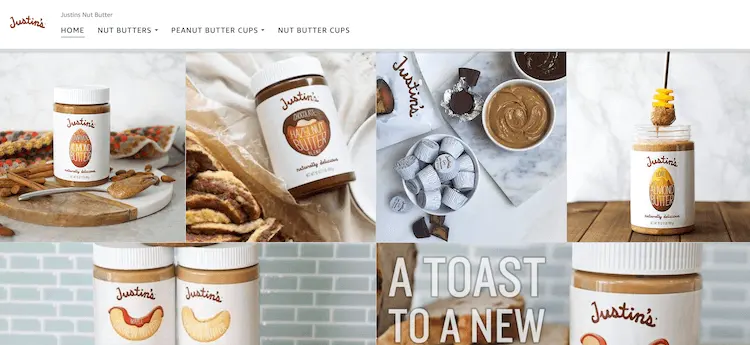
As the name suggests, direct-to-consumer brands sell their products directly to consumers.
There has been much discussion lately about whether selling products on Amazon is a profitable strategy for direct-to-consumer (DTC) brands. Many brands, such as Nike and IKEA, have chosen to leave Amazon and instead sell their products exclusively on their own websites.
What is Direct-to-Consumer (DTC)?
As the name suggests, direct-to-consumer brands sell their products directly to consumers.
Seller Center and Supplier Center
Previously, brands could choose to sell their products on Amazon Seller Central (SC), Vendor Central (VC), or a combination of both platforms, but this option is no longer viable. Even if you are invited to join, selling products in Vendor Central may not be the best option for your DTC brand.
Supplier Center
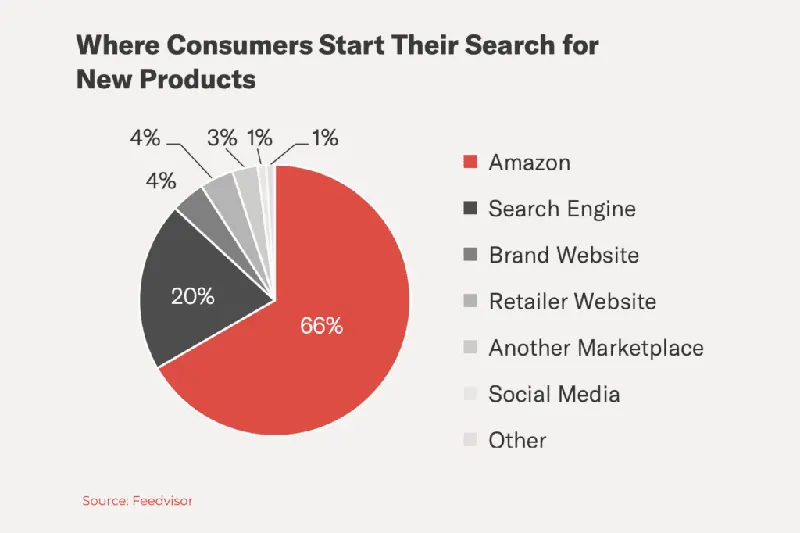
Because you sell products directly to Amazon, your brand will be listed as sold and fulfilled by Amazon. Furthermore, due to Amazon's long-standing reputation, consumers are more likely to buy from Amazon than from a brand they've never heard of selling similar products.
What do DTC brands need to know to sell successfully on Amazon?
Unauthorized third-party sellers may sell products at higher prices without the consumer knowing that the product is not a DTC brand.