Choosing between Amazon's FBA and dropshipping business models – Logistics Planning
The main difference between FBA and dropshipping lies in the logistics and delivery process, which affects each seller's decision.
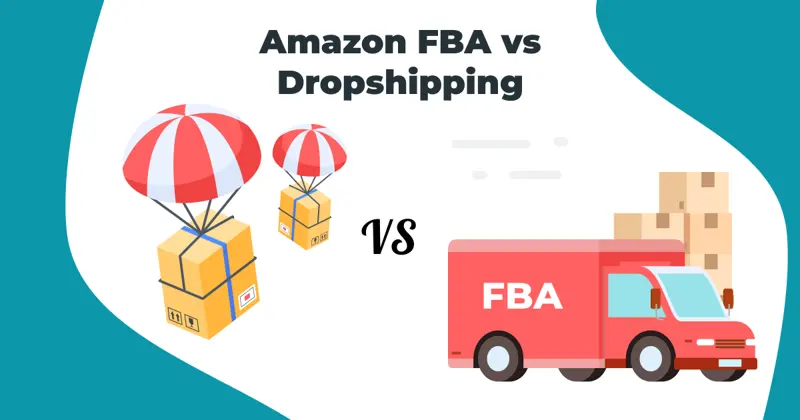
Dropshipping and Amazon FBA: Overview
Amazon allows dropshipping, but only if sellers strictly adhere to its dropshipping policy.
Advantages of Amazon FBA
On the other hand, the dropshipping model presents a different approach because it does not offer structured support like Amazon FBA.
Advantages of drop shipping
Lower start-up costs: The dropshipping model eliminates the need for inventory, significantly reducing the initial investment required to start an e-commerce business. Flexibility: Because there's no need to manage inventory, dropshippers can easily test different products and adjust their strategies at any time without incurring financial losses.
Key differences for sellers
The main difference between Fulfilled by Amazon (FBA) and dropshipping lies in the logistics and delivery process, which will influence each seller's decision. For sellers who prioritize convenience, Amazon Prime membership, and the ability to purchase all inventory in advance, FBA is a better choice.
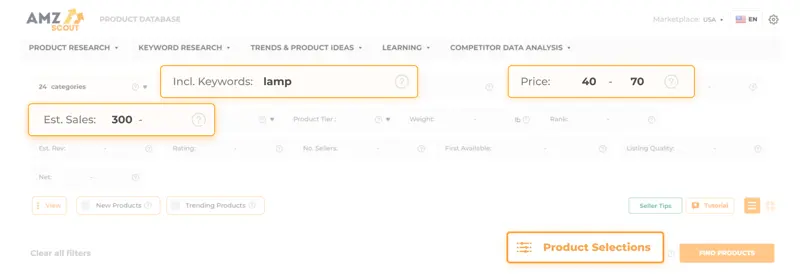
Select Products
While there are similarities between Amazon Fulfillment by Amazon (FBA) and dropshipping, there are still some key differences to consider, especially in terms of factors such as competition and demand.