Amazon FBA (Fulfillment by Amazon): Guide: How it Works - Logistics Planning
Small and lightweight products have lower transportation costs due to their light weight, and fewer boxes can be accommodated in storage areas.
What are the advantages and disadvantages of Amazon FBA?
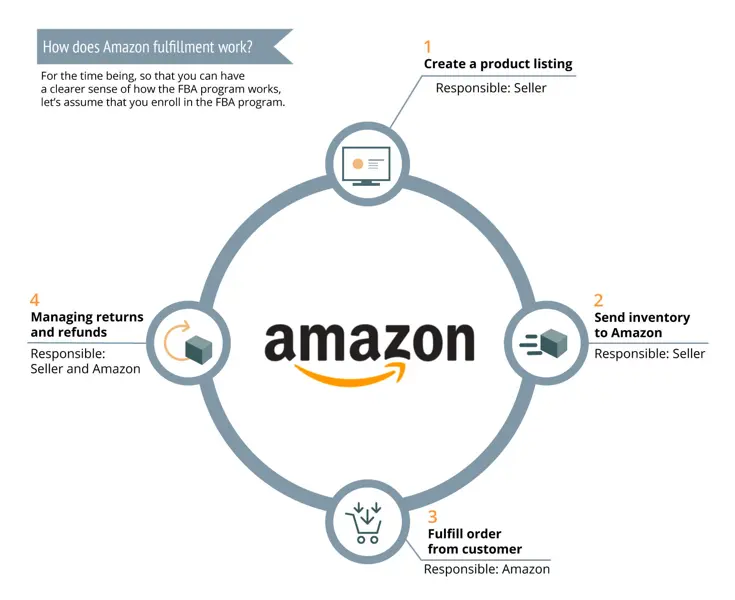
There are two options: FBM (Fulfilled by Merchant) and using a third-party logistics company. First, let's look at why you or shouldn't choose FBA.
Amazon Fulfilled by Amazon (FBM) and Amazon Fulfilled by Amazon (FBA)
Disadvantages: You need to handle customer service, returns, and shipping yourself, which adds a lot of hassle. Surveys show that sellers using self-fulfillment (FBM) spend an average of 2-3 hours per day handling these tasks compared to Amazon Fulfillment by Amazon (FBA) sellers.
Amazon FBA and the use of third-party logistics services
Advantages: Using external logistics services may help you access better distribution channels outside of Amazon. Advantages: Smaller third-party logistics companies may offer services that Amazon cannot provide.
Looking for products to sell
Small and lightweight products have lower transportation costs due to their light weight, and warehouses can hold fewer boxes. Initially, it's generally advisable to avoid products with intense competition but still high demand.
Use the AMZScout PRO AI extension to analyze profitability
Analyze profitability by looking at the sales, revenue, and net profit margin displayed at the top of the product table. Assess product potential using a product rating that estimates sales based on current market conditions.