How Amazon's Return Policy Affects Sellers - Purchasing Decisions
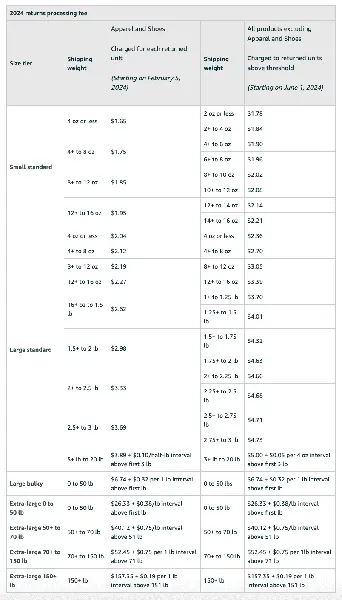
The replenishment fee is a percentage of the product price (excluding shipping costs), and the specific amount depends on the condition of the returned product.

Amazon FBA Return Policy
Amazon determines whether a product is eligible for return based on its own customer return policy. As a seller, you have no control over whether a product will be accepted for return, even if the damage or defect is clearly the buyer's responsibility.
Amazon's self-fulfilled return policy
Amazon's seller fulfillment (FBM) return policy explicitly states that FBM sellers must comply with or exceed Amazon's return policy. This means you must accept returns within Amazon's stipulated 30-day return period.
What if a customer's requested return does not comply with Amazon's return policy?
The replenishment fee is a percentage of the product price (excluding shipping costs), and the specific amount depends on the condition of the returned product.
How to understand the reasons for customer returns
To understand why customers return items, you can check the "Policy Compliance" section of the Seller Central platform. You will need to explain to Amazon how you resolved the issue and what measures you took to prevent similar problems from recurring.
How to process your tax refund
FBA's tiered resale program allows sellers to relist and sell unfulfilled returned inventory as secondhand goods instead of paying Amazon for destruction or return.